Intelligent carbon-removal infrastructure
Restoring the Earth.
One tonne of carbon at a time.
Zoe Clouds transforms waste biomass into permanent carbon storage, renewable energy and regenerative materials—combining physical infrastructure with AI, machine learning and real-world data to build a more intelligent carbon-removal economy.
Beyond net zero
Reducing emissions is essential. Removing historical carbon is the next frontier.
Net zero balances what we release with what we remove. But generations of emissions remain above us, continuing to warm the planet. A safer future requires more than slowing the damage — it requires restoration. Carbon removal complements rapid emissions reduction; it never replaces it.
Avoided emissions
01Choosing not to create new emissions in the first place — the foundation of any credible climate strategy.
Reduced emissions
02Cutting emissions from existing activity through efficiency, clean energy and better processes.
Removed carbon
03Actively withdrawing CO₂ that is already in the atmosphere — addressing residual and historical emissions.
Permanently stored carbon
04Keeping removed carbon locked away for decades to centuries in soils, materials and durable products.
The challenge
Carbon is not the enemy. It is simply in the wrong place.
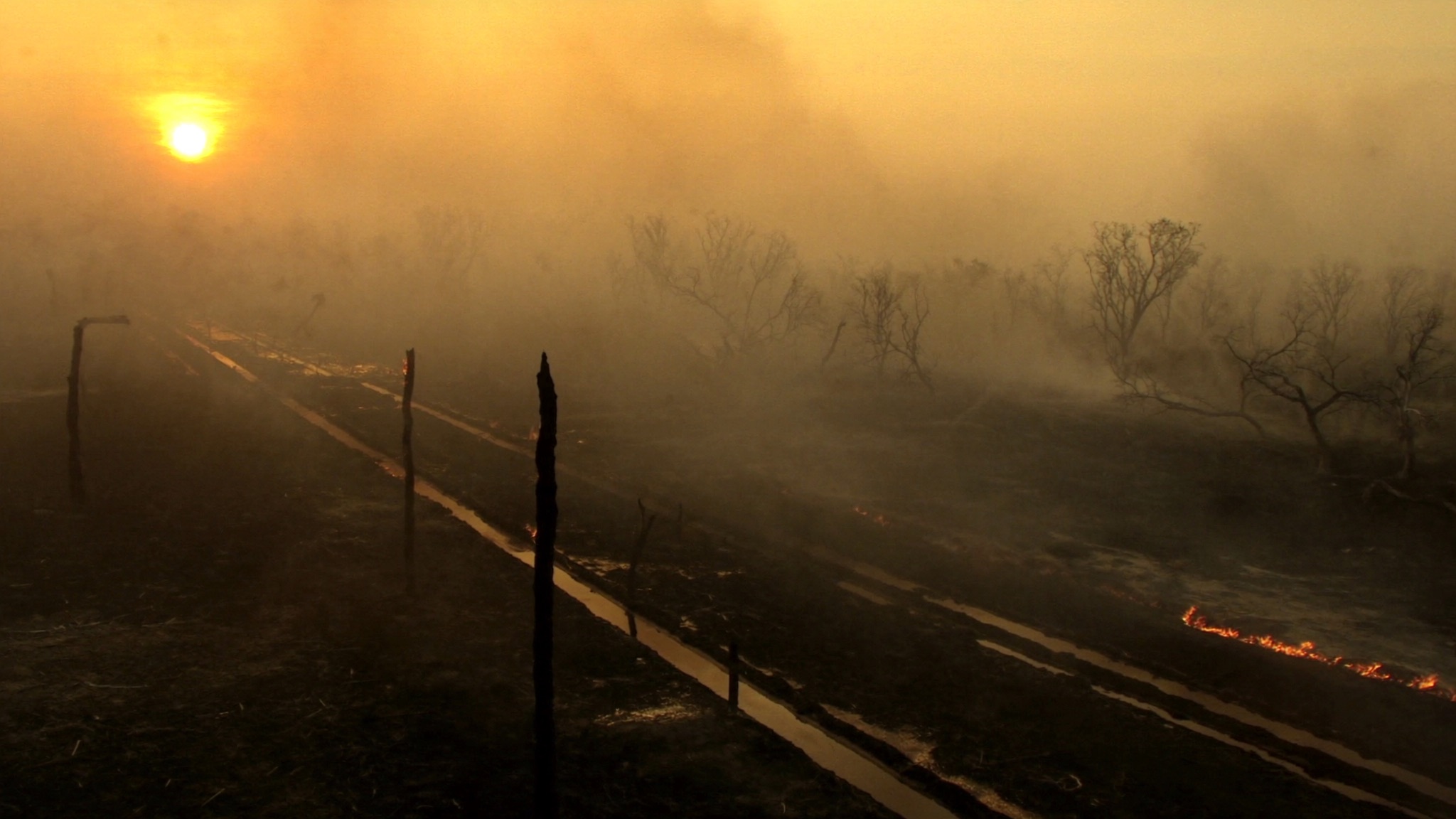
Carbon is a building block of life. The problem is that too much of it has moved from the Earth into the atmosphere — while enormous volumes of agricultural and forestry residues are burned, dumped or left to decompose, releasing CO₂, methane and air pollutants.
The open loop today
- Atmospheric CO₂
- Plants
- Biomass
- Waste / decomposition
- Atmospheric CO₂
The Zoe Clouds intervention
- Atmospheric CO₂
- Plants
- Residual biomass
- Controlled conversion
- Stable carbon
- Soil & materials
Zoe Clouds interrupts the open loop. Instead of letting captured carbon return rapidly to the air, we convert residual biomass into stable carbon that can remain stored for centuries in soils, construction materials and other durable uses.
What we do
We transform biomass into intelligent climate infrastructure.
Plants naturally pull carbon dioxide from the air as they grow. When biomass burns or decomposes, most of that carbon escapes back to the atmosphere. Our system interrupts the cycle — in five connected layers.
01
Responsible biomass sourcing
Suppliers are registered, feedstocks screened and alternative fates documented — so sourcing never drives deforestation, food competition or ecosystem degradation. Satellite imagery, field surveys and local knowledge map what is truly sustainable.
Atmospheric carbon becomes biomass. Biomass becomes stable carbon. Stable carbon becomes regenerative value. Data makes the cycle smarter every time.
The intelligence layer
Every tonne removes carbon. Every tonne teaches us more.
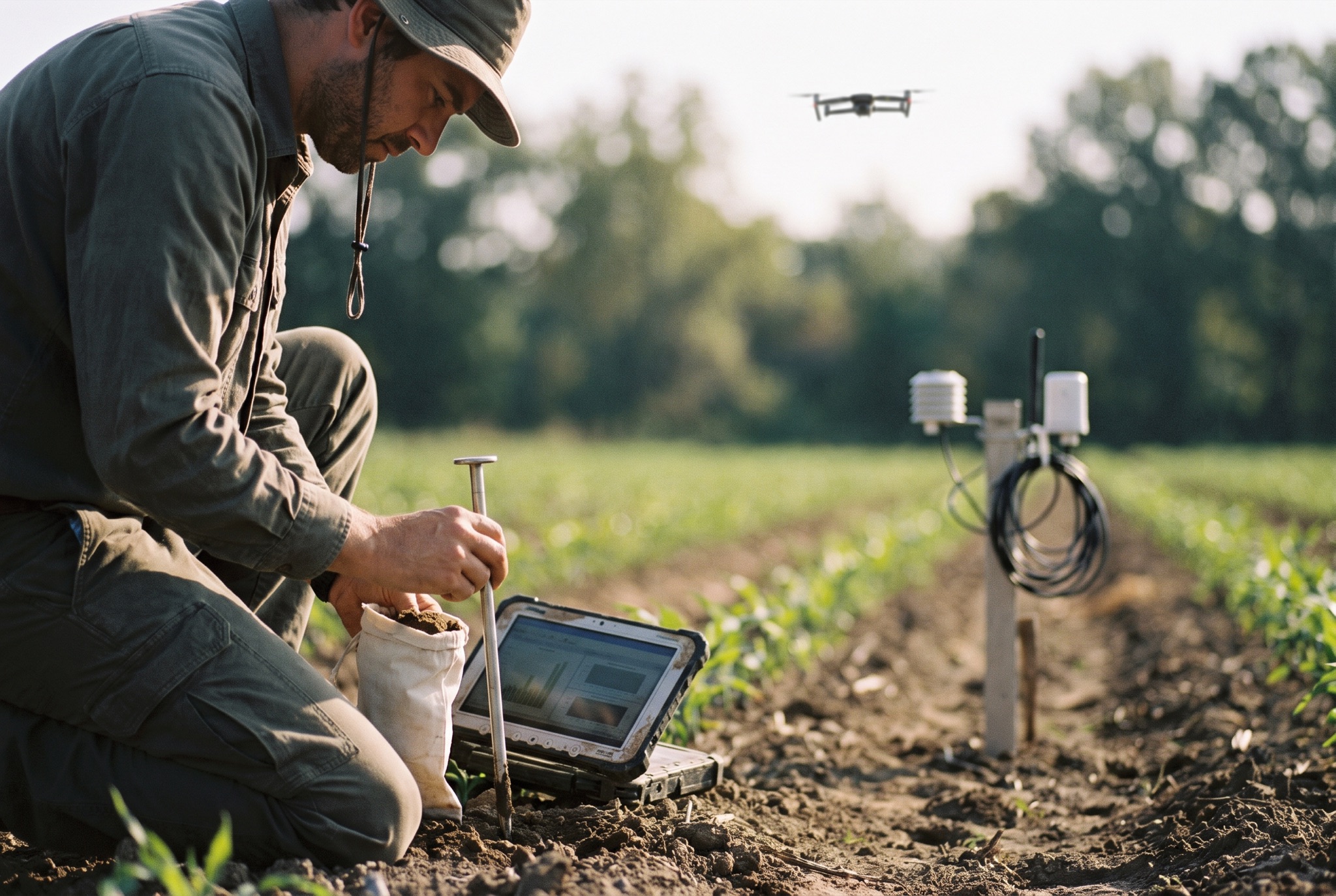
Biomass carbon removal is a physical undertaking — but scaling it requires intelligence. Zoe Clouds combines sensors, laboratory analysis, geospatial information and massive on-the-ground data to understand what happens across every feedstock, production cycle, field and final application.
From field data to climate intelligence.
Feedstock data
Origin, species, moisture, contaminants, alternative fate, seasonal availability.
Plant & process data
Temperature profiles, residence time, energy use, gas composition, yield.
Laboratory data
Fixed carbon, stability, ash, nutrients, contaminants, surface properties.
Soil & agricultural data
Soil response, crop performance, water retention, application rates, local climate.
Storage & chain-of-custody data
Final product location, custody records, permanence evidence, reversal risk.
Commercial & project data
Logistics cost, energy value, product demand, carbon pricing, delivery performance.
What machine learning makes possible
- Forecast sustainable biomass availability
- Optimize collection and logistics
- Recommend production settings
- Improve stable-carbon yield
- Detect contamination and process anomalies
- Predict maintenance requirements
- Match biochar with the right applications
- Strengthen lifecycle analysis
- Identify environmental and delivery risks
- Accelerate research across soils and feedstocks
AI does not remove carbon — physical processes do. Intelligence makes those processes more efficient, measurable, predictable and scalable.
Nine strategic frontiers
The frontiers that define the next carbon economy.
Zoe Clouds is built as a platform across nine connected frontiers — each one physical, measurable and commercially grounded.
01
Carbon removal as infrastructure
To reach meaningful scale, carbon removal must become infrastructure — not isolated projects.
We develop facilities with the discipline of modern energy and industrial infrastructure: modular, repeatable, financeable, and deployable wherever sustainable biomass exists. Each becomes a local circular-economy hub connecting farmers, industry, finance and global carbon buyers.
02
Biochar 2.0
An ancient material, engineered for a new planetary purpose.
We develop fit-for-purpose biochar rather than undifferentiated charcoal — connecting feedstock characteristics and production conditions with the performance required in soils, filtration, remediation, concrete and other applications.
03
Biomass carbon removal & storage
Biomass is nature's carbon-capture technology. BiCRS preserves what plants have already captured.
Biochar is our starting point within a wider family of pathways: biogenic carbon capture, gasification with storage, durable bio-oil storage and biomass-derived carbon materials. Our facilities are designed to evolve into integrated biomass carbon-removal centres.
04
Carbon-negative materials
The cities of the future should not just emit less. They should store carbon.
Biochar may be incorporated into concrete, asphalt, bricks, panels and composites — creating a large market for stable carbon. Our research platform will connect laboratory data, formulations and real-world performance to find what works.
05
Digital MRV & carbon passports
Trust must be built into every tonne.
Measurement, reporting and verification woven into every stage of operations — a traceable chain of custody from the original biomass source to the final carbon-storage destination, strengthened by AI-assisted anomaly detection and independent oversight.
06
Carbon-removal offtakes
Predictable demand finances new climate infrastructure.
Forward purchases, multi-year delivery agreements, price floors and structured project finance connect high-integrity demand with scalable supply. Transparent operating data turns environmental performance into financeable confidence.
07
Biogenic CO₂ capture
Today's distributed biogenic emissions could become tomorrow's carbon-removal supply network.
Agro-industrial processes across Indonesia produce concentrated streams of biogenic CO₂ — from biogas upgrading to sugar processing. Geospatial analytics can map these sources and match them with capture, transport and storage options.
08
Carbon-removal portfolios
No single technology will solve climate change. Portfolios will.
We begin where credible impact can be created today — biomass and biochar — while building the data and capabilities to compare pathways across cost, permanence, ecological risk and community benefit, and match the right technology to the right place.
09
Carbon, biodiversity & community
A tonne of carbon is connected to a landscape, a watershed, an ecosystem and a community.
Carbon must not be removed at the expense of food security, biodiversity or local rights. Field research, remote sensing and community-level data help us understand these connections; consent and benefit-sharing cannot be automated.
The infrastructure of the last century extracted carbon from the Earth. The infrastructure of this century must help return it.
Biochar 2.0
An ancient material with a new planetary purpose.
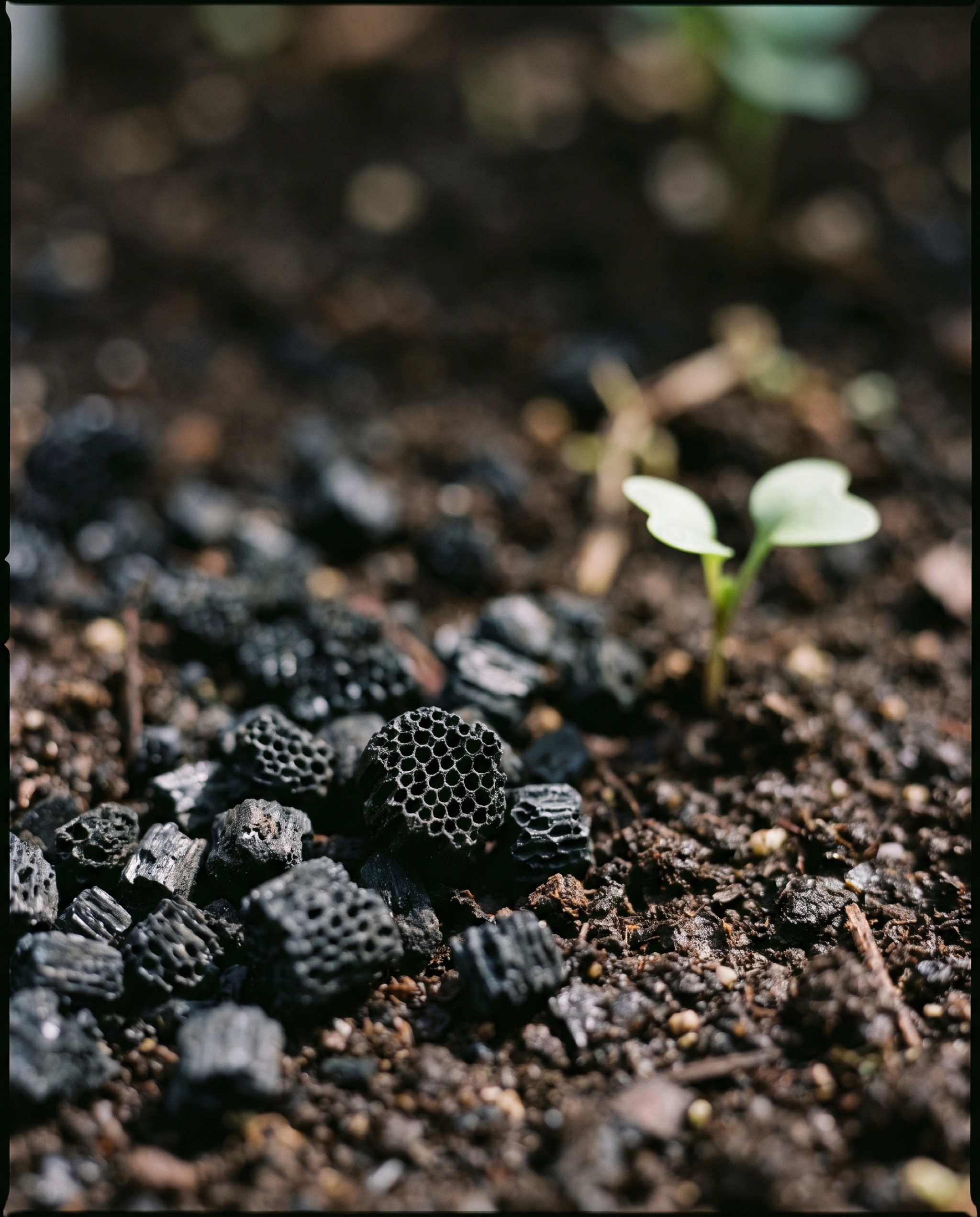
Biochar is not undifferentiated charcoal. Different feedstocks and applications demand different physical and chemical characteristics — porosity, stability, surface chemistry, nutrient behaviour. Modern science and carbon accounting turn it into both a regenerative product and a verifiable form of durable carbon removal.
- Soil regeneration
- Compost & nutrient management
- Water retention
- Filtration
- Environmental remediation
- Industrial absorbents
- Concrete
- Asphalt
- Building materials
- Long-duration carbon storage
Carbon-negative materials
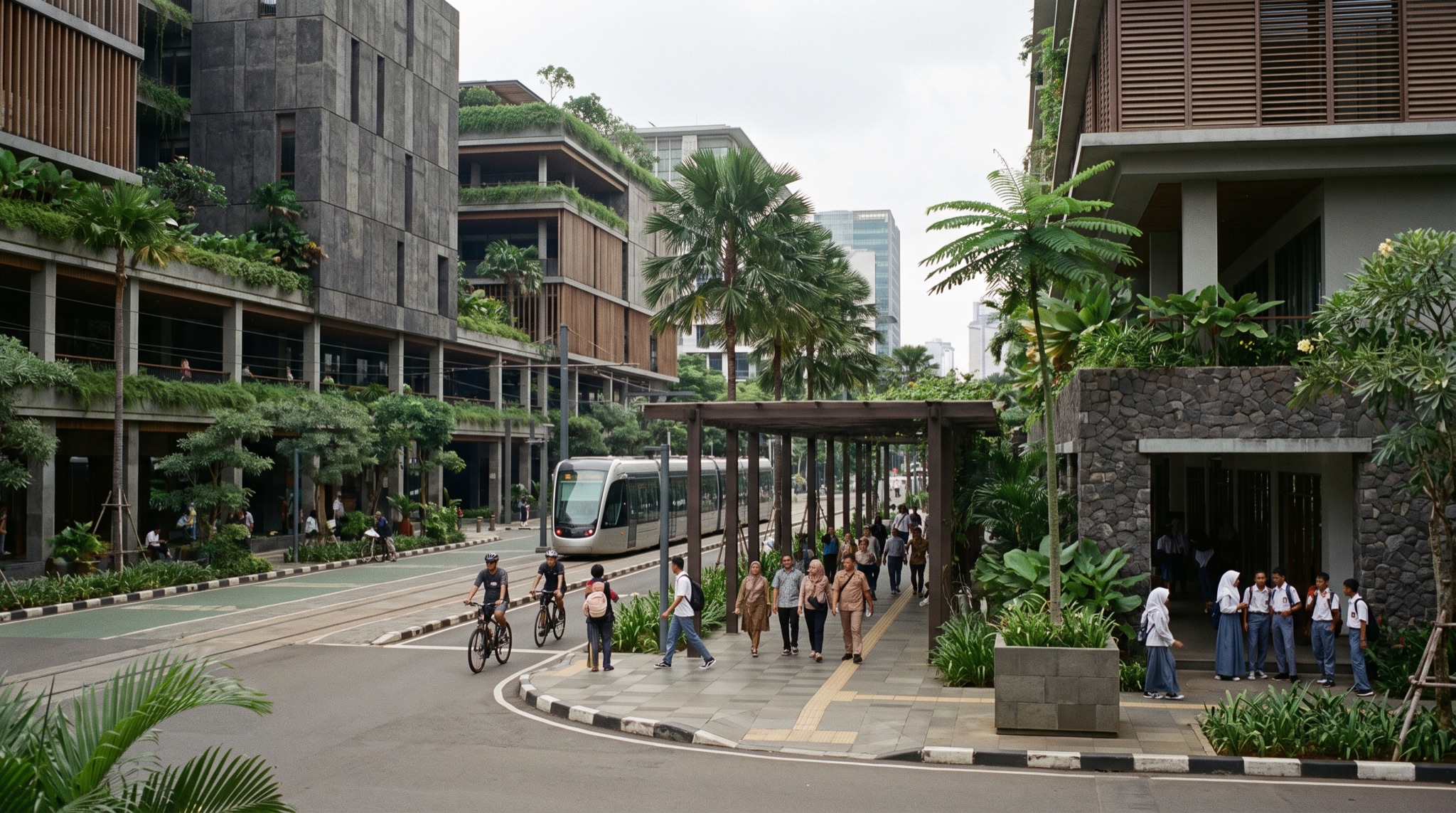
What if the cities of the future could store carbon?
Imagine agricultural residues from rural Indonesia becoming permanent carbon stored inside the homes, schools, roads and infrastructure of its growing cities. Today this is a research and development frontier — one we intend to explore with laboratory data, material partners and real-world testing.
Digital MRV
Trust must be built into every tonne.
For every tonne claimed, buyers and regulators should be able to see where the biomass came from, how it was processed, how much stable carbon was created, where it went and how long it will stay there. Carbon removal should be supported by evidence, not promises.
AI analyses thousands of data points to flag inconsistencies and focus human auditors where risk is highest — improving measurement efficiency without weakening scientific rigour or independent oversight.
Digital carbon passport
Batch record — concept
- Feedstock origin
- Registered source · sustainability screened
- Collection
- GPS-linked logistics record
- Production
- Continuous process & energy monitoring
- Laboratory
- Stable-carbon content · contaminant analysis
- Application
- Batch-level final-use documentation
- Custody
- Traceable chain from source to storage
- Verification
- Independent audit · conservative uncertainty
- Credit
- Issuance & retirement record
The project platform
One facility creates local impact. A network creates an industry.
Zoe Clouds is designed to develop, operate and aggregate multiple projects on shared technology, data, standards and commercial relationships. Every new facility benefits from the operational experience of the entire platform — and adds to it.
- 01
Local biomass hubs
- 02
Modular carbon-removal facilities
- 03
Shared intelligence layer
- 04
Verified carbon-removal portfolio
- 05
Global buyers & capital providers
Why Indonesia
Indonesia can become a global carbon-removal leader.
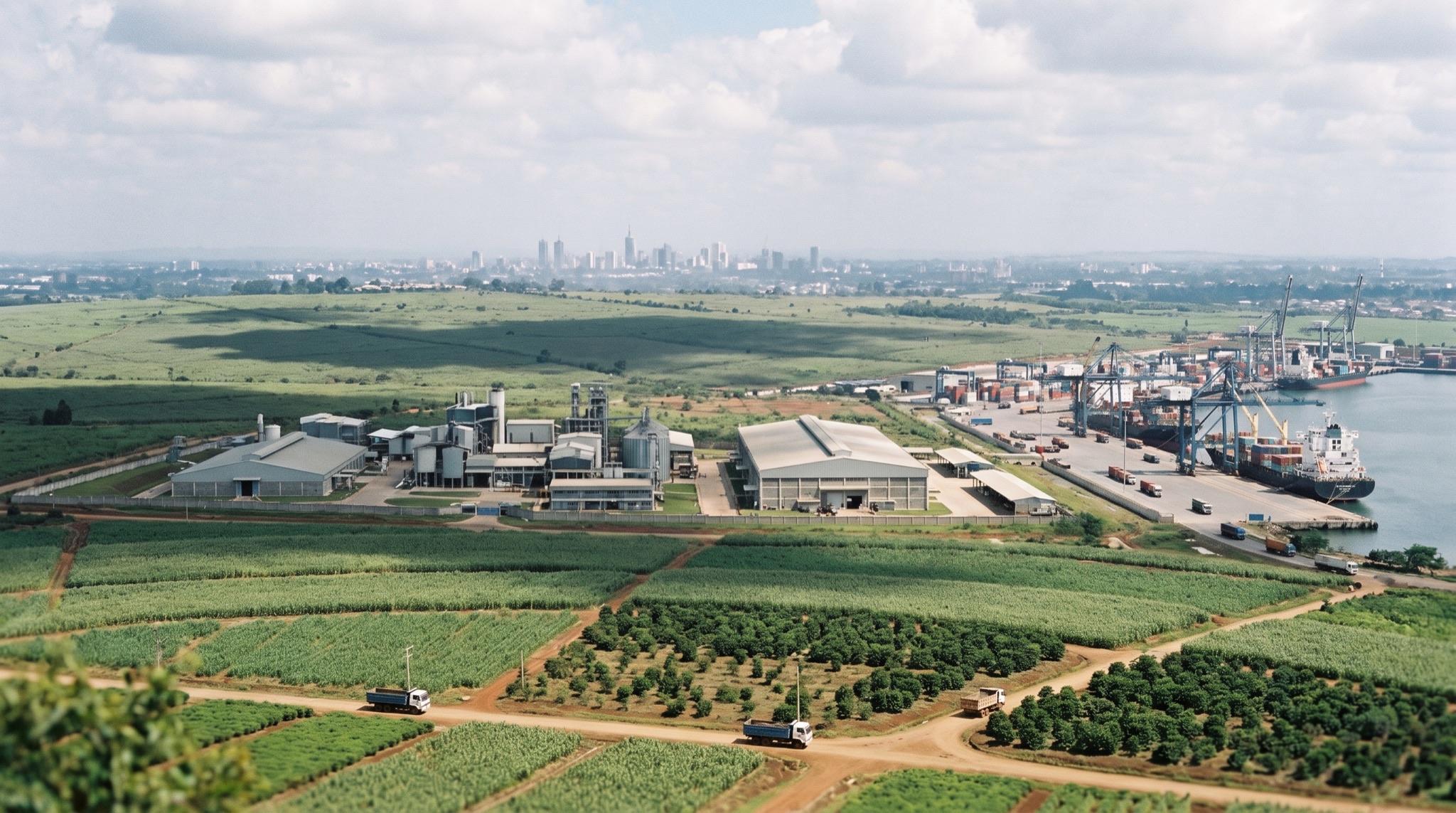
Indonesia stands at the intersection of abundant biomass resources, globally important ecosystems and a period of rapid industrial and technological transformation.
- Abundant agricultural and forestry residues across thousands of islands
- A large, diverse agricultural economy
- Tropical soils and globally important ecosystems
- Thousands of distributed biomass sources — ideal for modular infrastructure
- Major domestic demand for agriculture and construction materials
- Rural employment and economic-development potential
- Proximity to Asian carbon buyers and financial institutions
- A natural living laboratory for tropical carbon-removal research
Indonesia can become more than a supplier of raw materials or inexpensive carbon credits. It can develop the technology, data, research and infrastructure that define how high-integrity carbon removal works across tropical and emerging-market environments.
Impact & integrity
Intelligence guided by integrity.
Integrity before volume
Conservative accounting, traceability, responsible sourcing, independent verification.
Reduction before compensation
Carbon removal must complement — not replace — rapid emissions reductions.
Permanence by design
Technologies and applications chosen to keep carbon stored for meaningful periods.
Science before claims
Environmental claims grounded in evidence, transparent methods and expert review.
Data with responsibility
Quality, privacy, ownership and appropriate use — safeguarded by design.
Nature as a stakeholder
Every project considers soil, water, biodiversity and ecosystem effects.
Communities as partners
Farmers and suppliers participate fairly in the value created.
Transparency builds trust
Environmental performance made measurable, auditable, understandable.
Progress through partnership
Science, government, communities, technology, finance and industry — together.
For investors
Building the intelligence and infrastructure layer of the carbon-removal economy.
An investment thesis built on clarity and substance: physical assets with multiple revenue streams, replicated as modular projects, compounding into a data and intelligence platform.
- 01Large emerging demand for durable carbon removal
- 02Biochar — a commercially available removal pathway today
- 03Abundant but fragmented biomass resources
- 04Replicable modular facilities
- 05Multiple potential revenue streams per project
- 06Long-term offtakes that may support project finance
- 07Proprietary operating and field data
- 08Network effects across multiple facilities
- 09Expansion paths: materials, biogenic capture, new pathways
- 10Strategic position in Indonesia and Asia
Partnership ecosystem
Every tonne begins with a partnership.
Biomass suppliers
Turn agricultural and forestry residues into new income — responsibly sourced, fairly shared.
Carbon-removal buyers
Purchase high-integrity, independently verified removals with full chain-of-custody evidence.
Investors & lenders
Finance modular climate infrastructure with multiple revenue streams and long-term offtake potential.
Industrial & construction partners
Explore biochar-based materials, absorbents and carbon-negative product development.
Scientists & universities
Collaborate on tropical soils, feedstocks and one of the richest field datasets in carbon removal.
Governments & development institutions
Build rural employment, waste solutions and climate leadership through bankable projects.
Technology providers
Integrate sensors, equipment and analytics into a growing carbon-removal platform.
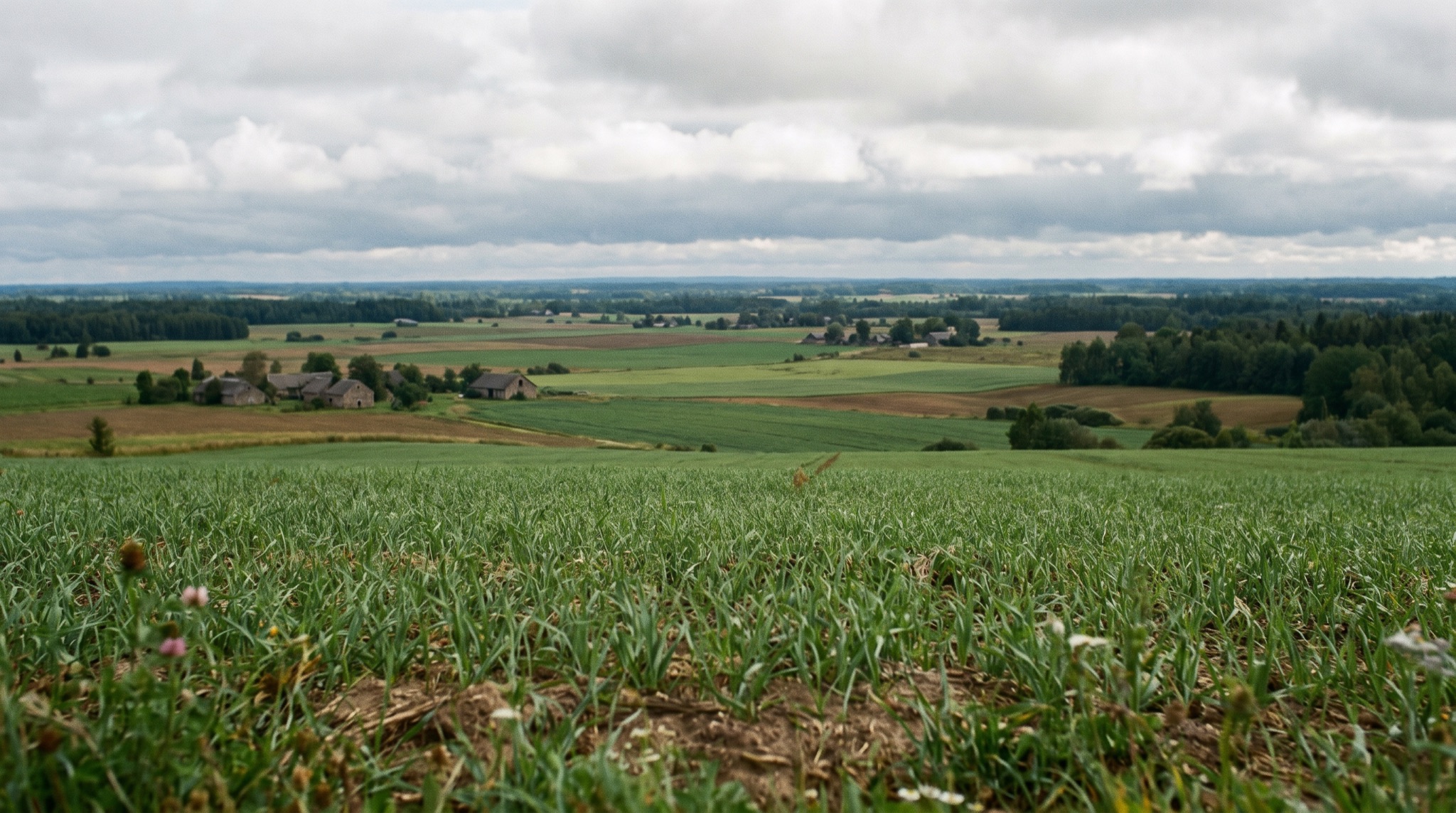
The Earth has given us everything.
Now it is our turn to give something back.
The climate challenge is global, but every tonne of carbon removal begins somewhere — with a farmer, a facility, a scientist, a sensor, an investor and a buyer willing to build the future.
Zoe Clouds
Removing carbon. Learning from Earth. Regenerating life.