
Intelligence platform
The intelligence layer for biomass carbon removal.
Physical processes remove and store carbon. Our AI and data systems make those physical processes more efficient, measurable, predictable and scalable — that distinction matters, and we state it plainly.
Why real-world data
Biomass is variable. Static assumptions are not enough.
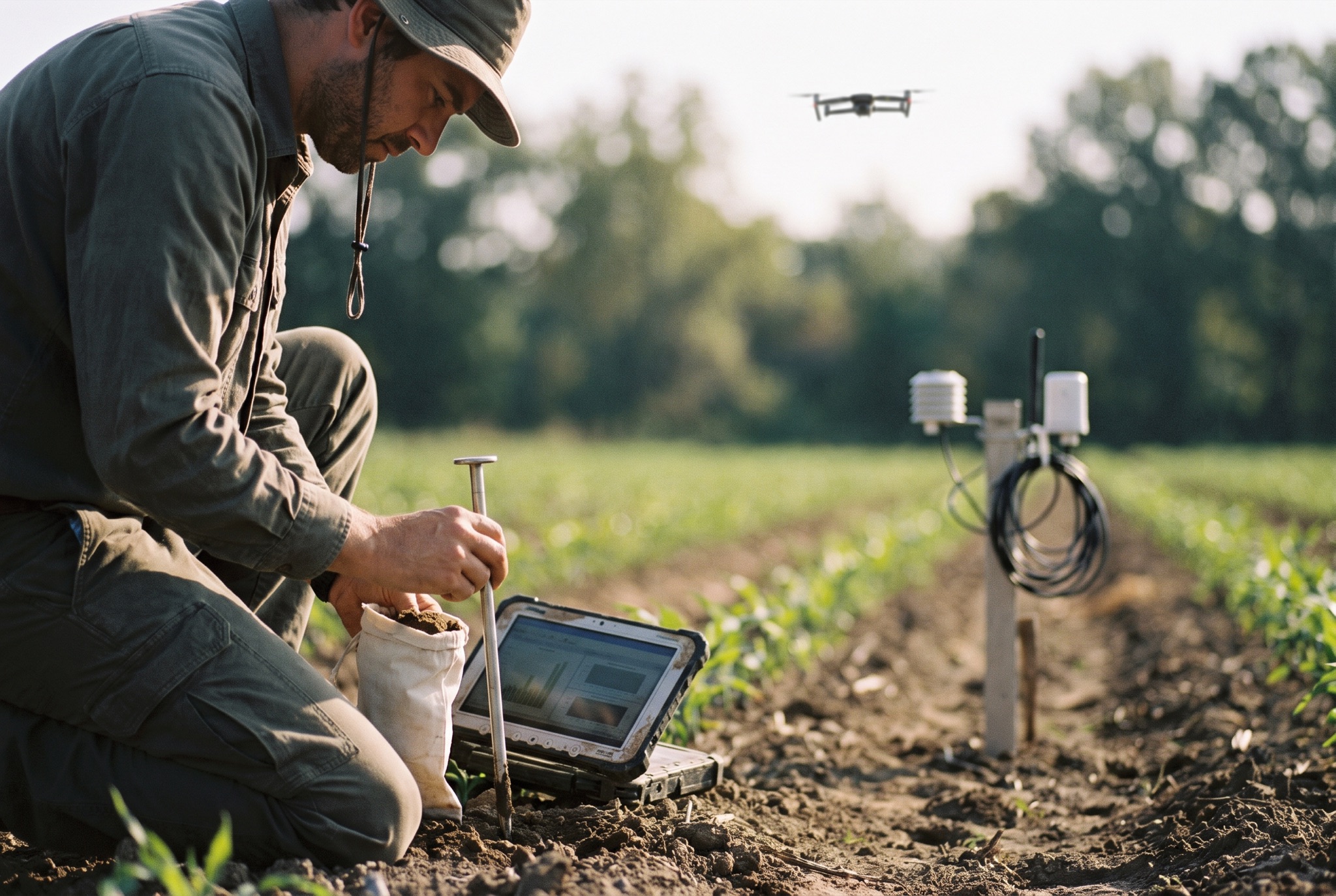
Soil, climate, moisture, species, harvest practices, processing conditions and final applications all influence environmental performance. We need systems that observe reality, learn continuously and improve decisions over time. Zoe Clouds intends to build one of the most comprehensive operational datasets for biomass carbon removal in tropical and emerging-market conditions.
Ground data
Feedstock origin, species, moisture, contaminants, alternative fate and seasonal availability.
Plant data
Temperature profiles, residence time, energy use, gas composition, yield and equipment performance.
Laboratory data
Fixed carbon, stability, ash, nutrients, contaminants, surface properties and product quality.
Field data
Soil response, crop performance, water retention, nutrient interaction, application rates and local climate.
Storage data
Final product location, chain of custody, permanence evidence and reversal risk.
Commercial data
Logistics cost, energy value, product demand, carbon pricing and delivery performance.
Machine learning in service of the physical
How intelligence creates value.
Predict conversion settings
The best process conditions for each biomass feedstock — before a batch is run.
Maximise stable carbon
Higher stable-carbon yield with lower energy use and lifecycle emissions.
Detect anomalies early
Contamination, quality deviations and process drift flagged as they emerge.
Match batch to application
Each biochar batch routed to its highest-value, safest final use.
Forecast biomass supply
Seasonal availability predicted; collection routes optimised.
Improve uptime
Preventative maintenance guided by real equipment behaviour.
Estimate removals conservatively
Lifecycle carbon accounting with transparent uncertainty management.
Accelerate research
Faster learning across soils, crops, materials and geographies.
Every tonne processed should remove carbon — and teach us how to remove the next tonne better.
Digital MRV architecture
A chain of evidence from source to storage.
Measurement, reporting and verification are built into every stage of operations — establishing a traceable chain of custody from the original biomass source to the final carbon-storage destination. This is the backbone of the digital carbon passport.
1.Biomass-source registration & sustainability screening
2.GPS-linked collection & logistics records
3.Continuous production & energy monitoring
4.Automated alerts for process or quality deviations
5.Laboratory testing & carbon-stability analysis
6.Batch-level identity & final-use documentation
7.Lifecycle assessment & conservative uncertainty management
8.Independent verification, issuance & retirement records
Responsible AI
AI does not remove carbon. Physical processes do.
Our position is deliberate: intelligence strengthens scientific rigour — it never substitutes for it.
Human scientific oversight
Scientists and operators make the decisions; models inform them.
Transparent methodologies
No black-box environmental claims — methods are documented and reviewable.
Conservative estimates
Uncertainty is disclosed and managed conservatively, never hidden.
Data-quality controls
More data is valuable only when it is trustworthy.
Independent verification
AI assists auditors; it never replaces them.
Privacy & governance
Data ownership, privacy and appropriate use are safeguarded by design.
The long-term moat
A dataset that compounds with every project.
Indonesia's ecological and agricultural diversity is a natural living laboratory. Data from every facility feeds a shared intelligence network — so every new plant starts smarter than the last.