Why Indonesia
A nation capable of leading the carbon-removal economy.
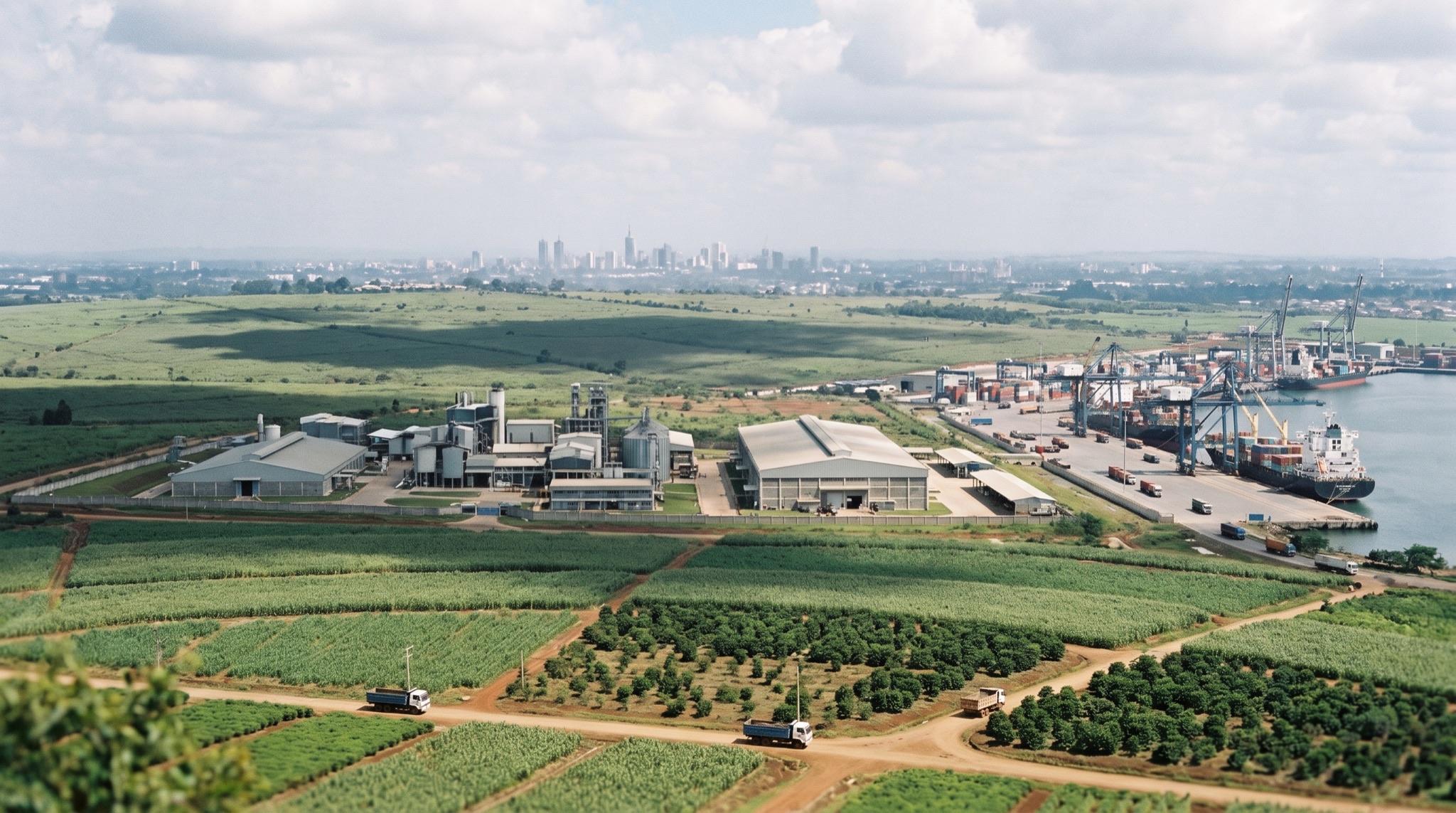
Farms, industry, ports, communities, science and modern infrastructure — Indonesia's opportunity is bigger than its landscapes.
The structural advantage
Three opportunities, one intersection.
Abundant biomass resources. Globally important ecosystems. A period of rapid industrial and technological transformation. Indonesia stands where all three meet.

Distributed biomass abundance
Agricultural and forestry residues across thousands of islands and production centres — difficult for centralised processing, ideal for modular, distributed infrastructure with a common digital intelligence layer.
A living tropical laboratory
Diverse soils, climates, feedstocks and farming systems create a natural research advantage for understanding carbon removal under real-world tropical conditions.
Domestic demand
A large agricultural economy and fast-growing construction sector create local markets for biochar products and carbon-negative materials.
Regional capital and buyers
Proximity to Asian carbon buyers, financial institutions and industrial partners.
Rural development
Thousands of potential collection points mean employment, supplier income and circular-economy value in rural communities.
Beyond raw materials
Indonesia can export technology, research, digital MRV systems and skilled green employment — not just credits.
National opportunity
Defining high-integrity carbon removal for tropical and emerging markets.
Indonesia can become more than a supplier of raw materials or inexpensive carbon credits. It can develop the technology, data, research and infrastructure that define how high-integrity carbon removal works across tropical and emerging-market environments — and export that capability to the world.